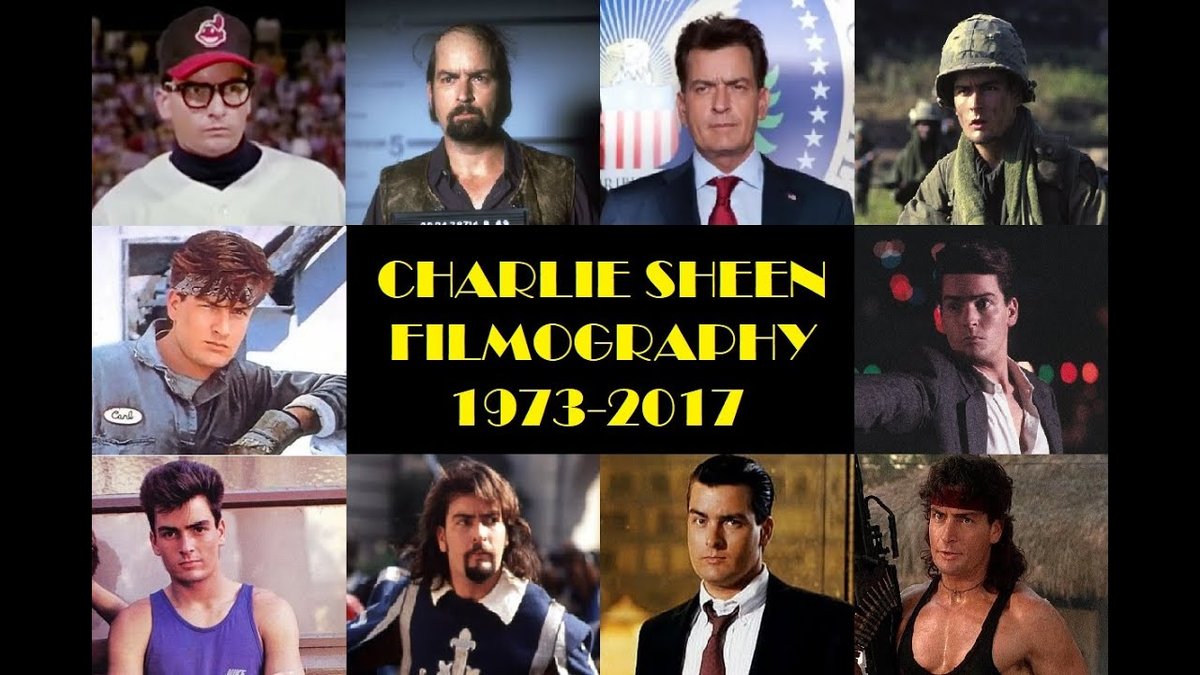
Hollywood is a town built on dreams, ambition, and, often, surprising bloodlines. Few families embody this complex interplay of talent, identity, and the enduring power of shared experience quite like the Estevez-Sheen dynasty. Their collective filmography isn't just a list of credits; it's a living testament to how Collaborations & Family Legacy: The Estevez-Sheen Filmography has shaped American cinema for over six decades, showcasing both the advantages of a famous surname and the undeniable need for individual discipline.
From the patriarch's principled stand to a son's meteoric rise and subsequent fall, and another's quiet directorial triumph, this family's story offers a compelling look at the multi-generational impact of fame, personal choices, and the threads that bind them.
At a Glance: The Estevez-Sheen Saga
- Origin Story: Martin Sheen (born Ramón Estévez) changed his name for career reasons, a decision he later regretted, highlighting industry biases. His father, Francisco Estévez Martínez, was a Spanish immigrant whose resilience forged the family's work ethic.
- The Patriarch: Martin Sheen, a career spanning over 60 years, known for Apocalypse Now and The West Wing, a prominent political activist.
- The Trailblazer: Emilio Estévez, who kept the family surname, became a "Brat Pack" icon, and later found success as a director with films like The Way.
- The Maverick: Charlie Sheen (born Carlos Estévez), achieved immense commercial success with Two and a Half Men, but faced significant personal and professional setbacks due to substance abuse.
- The Ensemble: Ramón and Renée Estévez have also built acting careers, frequently collaborating with their famous family members. Joe Estevez, Martin's younger brother, is also a prolific actor.
- Key Collaborations: Notable joint projects include Wall Street, Young Guns, Wisdom, Cadence, and The Way, illustrating their intertwined professional paths.
- Legacy Lessons: The family's journey underscores that while initial access (nepotism) can open doors, sustained success and a positive legacy ultimately hinge on individual accountability and disciplined choices.
A Name, A Legacy: The Estevez-Sheen Identity
In the cutthroat world of Hollywood, a name can be a calling card or a hurdle. For Ramón Antonio Gerardo Estévez, it became both. Born to a Galician-Spanish immigrant father, Francisco Estévez Martínez, and an Irish mother, Mary-Ann Phelan, he embarked on an acting career in an era when ethnic surnames were often seen as a disadvantage. Thus, Martin Sheen was born, a professional moniker that would come to define one of America's most respected actors. This decision, however, wasn't without its cost; Sheen later expressed regret, wishing he had honored his heritage more directly.
His children navigated this legacy in different ways. Emilio Estévez chose to retain the family surname, proudly carrying the banner of his heritage. His younger brother, Carlos Irwin Estévez, embraced the Sheen name, becoming the immensely popular Charlie Sheen. This divergence in names, while seemingly cosmetic, subtly reflects the varied paths and identities each sibling would forge within and outside the shadow of their famous father. It’s a powerful metaphor for their careers: one rooted in a desire for authenticity, the other embracing the commercial brand.
The foundational generation, Francisco Estévez Martínez, who emigrated from Galicia due to poverty, instilled a powerful work ethic and resilience in his ten children. His journey from a denied entry in 1914 to settling in Dayton, Ohio, as a factory inspector by 1923, laid the groundwork for the ambition that would fuel his son Martin’s unprecedented success. This deep-seated resilience, passed down through generations, became a vital underpinning for the family's navigate Hollywood's pressures.
The Patriarch's Enduring Influence: Martin Sheen's Principled Path
Martin Sheen isn't just an actor; he's a touchstone. His career, spanning over six decades, is a masterclass in longevity and artistic integrity. From his haunting performance in Francis Ford Coppola's Apocalypse Now (1979) to his iconic portrayal of President Josiah Bartlet in The West Wing (1999–2006), Sheen has consistently delivered performances that are both powerful and deeply human. His Emmy-winning turn as a fictional U.S. President solidified his place as a national treasure, revered not just for his acting prowess but for the gravitas and moral compass he brought to his roles.
Beyond the screen, Sheen has been a relentless political activist since the 1960s, a conviction that has often landed him in legal trouble. With over 60 arrests for civil disobedience, advocating for nuclear disarmament, environmental protection, and various human rights causes, his commitment to social justice is as much a part of his legacy as his filmography. This principled stance has undoubtedly influenced his children, particularly Emilio and Renée, who have echoed similar progressive inclinations. Martin’s life serves as a powerful example that a career in entertainment doesn’t preclude a deeply engaged moral life.
Sibling Synergy: When Estevez Met Sheen on Screen
The Estevez-Sheen family's narrative is richly woven with collaborative projects, showcasing their unique dynamics and individual talents. These shared ventures offer fascinating insights into their working relationships and how family ties translate onto the professional stage.
Wall Street (1987): Father and Son on the Big Screen
One of the most iconic Estevez-Sheen collaborations is Oliver Stone’s Wall Street. Martin Sheen played Carl Fox, the principled blue-collar father to Charlie Sheen's ambitious young stockbroker, Bud Fox. The film’s themes of morality, greed, and family loyalty resonated deeply, amplified by the real-life father-son dynamic. Martin's understated integrity served as the perfect foil for Charlie's youthful intensity, creating a compelling on-screen relationship that mirrored the subtle tension between their public personas. It was a powerful early demonstration of their collective acting weight.
Young Guns (1988) & Wisdom (1986): The Brothers in Arms
Emilio and Charlie Sheen, at the height of their "Brat Pack" fame, co-starred in Young Guns, a revisionist Western that grossed $45.7 million domestically. Here, the brothers played characters on the same side, showcasing a natural camaraderie and shared screen presence that felt authentic. Their earlier collaboration in Wisdom (1986), which Emilio also directed, provided a different canvas, exploring a Bonnie and Clyde-esque narrative with youthful rebellion at its core. These films cemented their status as a formidable sibling duo in 1980s cinema.
Cadence (1990): Martin Directs His Sons
Taking the reins as a director, Martin Sheen helmed Cadence, a military drama starring both Charlie and Ramón Estévez. The film allowed Martin to guide his sons' performances, exploring themes of authority, rebellion, and brotherhood within a confined, disciplinary setting. This project offered a rare glimpse into their creative relationship, with Martin shaping the narrative and performance from a director's perspective while his sons brought their characters to life under his guidance.
The West Wing (1999–2006): A Family Affair in the White House
While Martin Sheen famously led The West Wing as President Bartlet, the show became a quiet family gathering place. Both Ramón and Renée Estévez had recurring roles, and Emilio Estévez made an uncredited appearance. This illustrates the family's understated commitment to supporting each other's careers, even when not in the spotlight. It's a testament to the idea that for the Estevez-Sheen clan, Hollywood isn't just a workplace; it's an extended family room.
The Director's Vision: Emilio's Independent Path (and Family Affair)
While his brothers pursued mainstream acting careers, Emilio Estévez steadily cultivated a multifaceted path that included writing and directing. His work behind the camera often showcased a more introspective and personal style, culminating in critically acclaimed projects like The Way (2010).
Emilio wrote, directed, produced, and co-starred in The Way, an independent film shot on the Camino de Santiago in Spain. The film centers on a grieving father (Martin Sheen) who travels to France to retrieve the remains of his estranged son (Emilio Estévez) who died while walking the Camino. Deciding to complete the pilgrimage himself, he encounters a diverse group of fellow travelers. This profoundly personal project not only showcased Emilio's mature storytelling but also provided a poignant opportunity for him to collaborate intimately with his father, exploring themes of grief, faith, and reconciliation. The film, which grossed $4.8 million, was a departure from typical Hollywood fare, demonstrating Emilio's commitment to meaningful, character-driven narratives. His directorial eye and ability to craft compelling stories stand as a significant part of his contribution to the family's filmography. To dive deeper into his extensive acting and directorial work, you might want to Explore Emilio Estévez movies and see the breadth of his creative output.
Beyond the Marquee: Ramón, Renée, and Joe Estevez's Contributions
While Martin, Emilio, and Charlie often dominate the headlines, the Estevez family's acting talent extends further. Ramón Estévez and Renée Estévez have also carved out careers in Hollywood, frequently appearing alongside their more famous relatives. Their contributions, though perhaps less publicized, are integral to the family's collective legacy, demonstrating a shared passion for the craft. Ramón has appeared in various films and television shows, often in supporting roles, including The West Wing and Cadence. Renée, too, has built a steady career, with notable appearances in The West Wing and other projects, lending her versatile talents to the family's productions and beyond.
The broader family also includes Martin Sheen's younger brother, Joseph William Estévez, professionally known as Joe Estevez. A prolific actor in his own right, Joe is known for his extensive work in over 100 low-budget independent films. He famously stepped in for his brother Martin in some scenes of Apocalypse Now after Martin suffered a heart attack during production, a testament to the family's deep professional and personal bonds. Joe's dedication to acting, even outside the mainstream spotlight, underscores the pervasive acting gene within the Estevez lineage.
Navigating the Crucible: Success, Struggle, and Second Acts
The Estevez-Sheen family offers a powerful case study in the divergent paths that fame can create. Martin Sheen's six-decade career, marked by over 300 credits by 2025, stands as a testament to methodical discipline and unwavering commitment. He represents the enduring power of consistent, quality work and personal integrity.
Charlie Sheen’s trajectory, however, presents a stark contrast. While he achieved peak commercial success, notably earning $1.8 million per episode on Two and a Half Men—the highest television salary at the time—his career was tragically disrupted by a well-documented battle with substance abuse. This led to multiple arrests, domestic violence charges, and ultimately, his highly publicized dismissal from the show in 2011, costing him an estimated $100 million in future earnings. The public disclosure of his HIV diagnosis in 2015 further intensified the scrutiny, yet also garnered a wave of family support, with Martin Sheen orchestrating interventions and the family rallying around him.
The complexities of Charlie's journey continue to unfold. While he has claimed recovery, his family, particularly Emilio and Martin, remain cautious. Their recent decision to decline participation in Charlie's 2025 Netflix documentary, "aka Charlie Sheen," due to concerns about its focus on his past excesses, speaks volumes about the lasting impact of his struggles and the family's delicate balance between support and setting boundaries. It highlights that while families can offer unconditional love, the path to true redemption and sustained trust is a deeply personal and ongoing one.
The Immigrant Tapestry: Roots of Resilience
To understand the Estevez-Sheen family's drive and resilience, one must look to its roots. Martin Sheen's father, Francisco Estévez Martínez, embodies the quintessential American immigrant story. Born in Salceda de Caselas, Galicia, Spain, in 1898, Francisco's journey to the United States was fraught with hardship. After being denied entry in 1914 due to quotas, he persevered, successfully arriving in 1916 and then again in 1923, eventually settling in Dayton, Ohio. There, he worked as a factory inspector at the National Cash Register Company.
Francisco's struggle to build a life in a new country, overcoming poverty and bureaucratic hurdles, instilled a powerful work ethic and an appreciation for opportunity in his ten children. This bedrock of resilience and determination, born from the immigrant experience, became a subconscious guiding force for Martin Sheen and his siblings, shaping their approach to life and career. It's a reminder that beneath the glitz of Hollywood, there's often a deep, rich history of hard-won battles and inherited strength.
More Than Stardom: Activism and Personal Values
The Estevez-Sheen family’s influence extends far beyond the silver screen. Martin Sheen’s unwavering commitment to political activism has been a defining characteristic of his life and career. His progressive inclinations and willingness to engage in civil disobedience have served as a powerful example for his children. Emilio and Renée Estévez have both publicly echoed similar sentiments, advocating for causes aligned with social justice and environmental protection.
This shared moral compass, particularly among Martin, Emilio, and Renée, contrasts with Charlie Sheen’s more apolitical stance, especially in the wake of his personal crises. The family's public engagement with societal issues demonstrates that for many of them, their platform is not just for entertainment but also for advocacy. They've consistently leveraged their visibility to draw attention to causes they believe in, adding another layer to their collective legacy—one that champions civic responsibility alongside artistic expression.
Dispelling Myths: Nepotism vs. Discipline in Hollywood
The Estevez-Sheen family's saga offers a nuanced perspective on the role of nepotism in Hollywood. It's undeniable that having a famous parent, particularly one as respected as Martin Sheen, provides a significant advantage. Emilio Estévez’s casting in Francis Ford Coppola’s The Outsiders (1983) was certainly aided by his father’s connection to the director, illustrating how doors can open more easily for those with family ties. This initial access can jumpstart careers, offering opportunities that aspiring actors without connections can only dream of.
However, the family's trajectory powerfully illustrates that initial access alone is insufficient for sustained success. It is individual discipline, talent, and personal choices that ultimately dictate the longevity and quality of a career. Martin Sheen's decades of consistent, acclaimed work exemplify the power of a methodical, disciplined approach. His career has generated substantial economic returns, with his supporting roles across 29 features alone amassing $2.72 billion worldwide box office, demonstrating the financial impact of sustained excellence.
Conversely, Charlie Sheen's professional derailments, despite his early commercial triumphs like Platoon (1986) grossing $138.1 million domestically and winning four Academy Awards, underscore the profound impact of personal excesses. His career arc is a stark reminder that inherited advantages can be squandered if not coupled with accountability for one's choices. The Estevez-Sheen narrative isn't just about famous family connections; it's a profound lesson in the often-unseen work ethic, resilience, and personal responsibility required to not just enter, but truly thrive, in the demanding world of entertainment.
The Enduring Impact: A Legacy Forged in Film
The Estevez-Sheen filmography is a rich tapestry woven with individual brilliance, shared projects, and a deep-seated family bond. From the patriarch’s principled career to the diverse paths forged by his children, their story is one of ambition, struggle, and resilience. They’ve given us iconic characters, powerful performances, and memorable collaborations that have left an indelible mark on cinematic history.
Their collective journey offers a microcosmic view of Hollywood itself: a place where talent is tested, choices have consequences, and legacy is built not just on fame, but on character. The Estevez-Sheen family continues to evolve, their story still being written, reminding us that even in the brightest spotlight, the ties that bind a family remain the strongest.
What You Can Learn From Their Story
The Estevez-Sheen family's journey offers valuable lessons, whether you're aspiring to a creative career or simply navigating family dynamics:
- Identity Matters: The choice of a name (Estevez vs. Sheen) highlights the tension between cultural heritage and commercial appeal. Understanding your identity and how you present it can deeply influence your path.
- Discipline Trumps Privilege: While connections can open doors, sustained success requires consistent effort, ethical choices, and a dedication to craft. Martin Sheen's career is the ultimate proof.
- The Power of Collaboration: Working with family can be creatively fulfilling and produce powerful art, as seen in projects like The Way and Wall Street. Shared vision and trust are key.
- Accountability is Non-Negotiable: Personal choices, good or bad, have profound professional consequences. Charlie Sheen’s story serves as a cautionary tale about the high price of self-destruction.
- Roots Provide Strength: The family's immigrant history and the values instilled by Francisco Estévez Martínez underscore the importance of understanding and honoring one’s heritage as a source of resilience.
- Find Your Own Path: Emilio Estévez's pivot to directing and independent filmmaking shows that carving out a unique niche can lead to profound personal and professional satisfaction, even within a famous family.
Ultimately, the Estevez-Sheen family’s filmography is more than just a collection of movies; it’s a living, breathing narrative about what it means to be a family—complex, challenging, and profoundly influential—in the heart of the entertainment world.