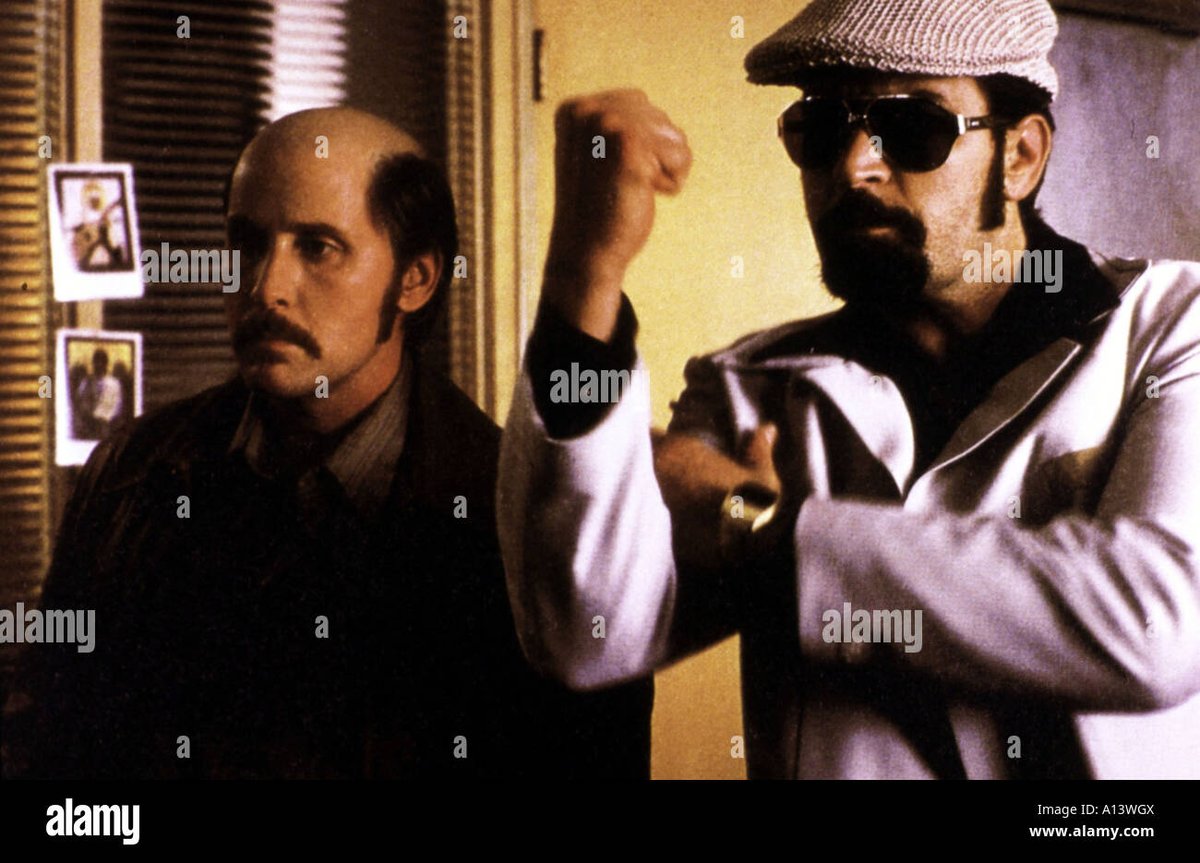
When we think of Emilio Estevez, the mind often conjures images of iconic roles: the jock in The Breakfast Club, the leader of the Young Guns, or the fiercely independent Two-Bit Mathews in The Outsiders. He was, for a time, the quintessential Brat Pack idol, a face synonymous with 80s and 90s cinema. But to pigeonhole Estevez solely as an actor would be to miss a significant, and perhaps even more profound, aspect of his career: his formidable and evolving work behind the camera. Emilio Estevez as a Director: Filmography & Vision reveals a filmmaker dedicated to thoughtful narratives, deep character exploration, and a unique blend of personal and societal reflection that sets him apart.
He’s not just an actor who occasionally directs; he’s a storyteller with a distinct voice, meticulously crafting films that often challenge, move, and inspire. His directorial ventures are less about spectacle and more about the quiet power of human experience, marking him as a talent whose impact extends far beyond his on-screen charisma.
At a Glance: Estevez the Director
- Distinctive Voice: Known for his character-driven dramas and thought-provoking storytelling, often exploring complex human emotions.
- Key Works: Made a significant directorial impact with the critically acclaimed Bobby (2006) and the deeply personal The Way (2010).
- Thematic Focus: Frequently delves into themes of human connection, societal issues, redemption, and journeys of self-discovery.
- Actor's Director: His extensive acting background provides a unique perspective, enabling him to elicit powerful performances from ensemble casts.
- Independent Spirit: Often opts for independent projects, allowing for greater creative control and a focus on meaningful narratives over commercial appeal.
From Brat Pack Icon to Visionary Behind the Lens
Before diving into his directorial philosophy, it's essential to acknowledge the foundation of Emilio Estevez's career. Born into a celebrated acting family – the son of Martin Sheen and brother of Charlie Sheen – Estevez carved out his own indelible path as an actor. He possessed a raw, relatable energy that made him a standout in the 1980s. Films like The Breakfast Club, where he played the athletic Andrew Clark, and Young Guns, portraying the legendary outlaw Billy the Kid, solidified his status as a versatile and engaging performer. His ability to immerse himself in a wide range of roles, from rebellious teens to determined young gunslingers, showcased an extraordinary talent for conveying both relatable vulnerability and entertaining bravado.
These early acting roles were more than just star-making turns; they were an education in storytelling, character development, and the intricate mechanics of filmmaking from the inside out. This unique apprenticeship undoubtedly fueled his ambition to step behind the camera. While audiences were immersing themselves in All Emilio Estevez movies, a different kind of ambition was brewing, one that sought to control the narrative from its very inception. Estevez wasn't just content to bring other people's words to life; he wanted to pen and direct his own.
His transition to directing wasn't immediate or meteoric, but a steady evolution. Unlike some actors who jump straight into big-budget fare, Estevez's early directorial efforts hinted at a preference for intimate stories, even when wrapped in a more commercial package. It was a journey of finding his voice, honing his craft, and ultimately, making a significant impact on cinema with his unique directorial style and thought-provoking storytelling.
The Poignant Debut: Unpacking Bobby (2006)
It was in 2006 that Emilio Estevez truly announced himself as a director with serious intent. His film Bobby was a powerful and poignant drama that transcended mere storytelling. Set against the backdrop of Senator Robert F. Kennedy's assassination at the Ambassador Hotel in Los Angeles on June 4, 1968, the film skillfully weaves together the intertwining lives of 22 fictional characters, all present at the hotel on that fateful night.
Bobby was an ambitious undertaking. Estevez not only directed the film but also wrote it, showcasing his commitment to a singular vision. The narrative structure, reminiscent of Robert Altman's ensemble pieces, allowed him to explore a pivotal moment in American history through a kaleidoscope of personal experiences. We meet hotel staff, political volunteers, a lounge singer, a couple on their wedding day, and others, each carrying their own hopes, fears, and prejudices, all unknowingly converging towards a tragic crossroads.
The film's impact was immediate and widespread. It garnered critical acclaim for its compelling storytelling, its daring structure, and perhaps most notably, its stellar ensemble cast. Estevez, leveraging his extensive network and his own acting prowess, attracted an incredible roster of talent, including Anthony Hopkins, Sharon Stone, Demi Moore, Helen Hunt, Laurence Fishburne, Elijah Wood, and his father, Martin Sheen. Their collective performances elevated the film, solidifying Estevez's reputation as a director with a keen eye for compelling narratives and the ability to draw out powerful, nuanced performances from his actors.
Emilio Estevez's *Bobby* wasn't just a historical drama; it was a profound exploration of an era's idealism, its fragility, and the ripple effects of violence. It examined themes of hope, loss, social change, and the interconnectedness of human lives, all filtered through a lens of profound empathy. For many, Bobby served as a reintroduction to Estevez, not just as an actor, but as a serious and impactful voice in filmmaking.
A Journey of the Soul: The Resonance of The Way (2010)
Following the critical success of Bobby, Estevez continued to refine his directorial voice with The Way in 2010. This heartwarming and introspective comedy-drama represented a more personal, intimate project, yet it resonated deeply with audiences worldwide. The film tells the story of Tom Avery (played by Estevez's real-life father, Martin Sheen), an American ophthalmologist who travels to France to retrieve the remains of his estranged son, Daniel (Emilio Estevez), who died while embarking on the historic Camino de Santiago pilgrimage. In an act of profound grief and unexpected inspiration, Tom decides to complete the pilgrimage himself, carrying his son's ashes.
The Way is a masterful exploration of grief, self-discovery, and the unexpected connections formed on life's journeys. Estevez's direction is sensitive and understated, allowing the beautiful landscapes of the Camino to serve as a backdrop for the internal transformations of the characters. As Tom walks, he encounters a diverse group of fellow pilgrims, each carrying their own burdens and seeking their own forms of redemption. Their interactions, initially fraught with friction, gradually evolve into genuine camaraderie and mutual support, highlighting the universal human need for connection and understanding.
The film's exploration of profound themes – finding purpose after loss, confronting one's past, and embracing the present – is handled with grace and authenticity. The film *The Way* cemented Estevez's reputation as a director capable of evoking deep emotional responses from viewers without resorting to sentimentality. It underscored his preference for character-driven stories and his unique ability to translate complex human experiences into compelling cinematic narratives. The father-son dynamic, both on-screen and behind the scenes, added an extra layer of poignancy to an already moving story.
Signature Themes and Directorial Philosophy
When you look at Estevez's directorial filmography, certain patterns emerge, revealing a consistent and compelling philosophy. His work is characterized by a commitment to telling meaningful stories that leave a lasting impression, often blending engaging storytelling with thought-provoking themes.
Humanity at the Core: Complex Emotions and Relationships
At the heart of Estevez's directorial vision is a profound interest in the human condition. His films often delve into the intricate tapestry of human emotions – grief, hope, regret, joy, anger, and love – portraying them with authenticity and nuance. He explores how individuals grapple with personal crises, reconcile with their pasts, and forge connections in unexpected circumstances. Whether it's the intertwined lives facing historical tragedy in Bobby or the solitary journey of healing and connection in The Way, the emotional landscape is always rich and deeply felt. He has a knack for finding the universal in the specific, making his characters' struggles and triumphs resonate with a broad audience.
Societal Mirror: Addressing Broader Issues
Estevez doesn't shy away from using his platform to address larger societal issues. Bobby is a clear example, using a historical event to reflect on political idealism, social unrest, and the impact of violence. Even The Way, while deeply personal, touches on themes of modern disillusionment, the search for spiritual meaning, and the diverse tapestry of humanity crossing borders. Estevez's unique directorial style demonstrates his belief that cinema can be a powerful tool for social commentary and historical reflection, offering audiences not just entertainment, but also food for thought and a deeper understanding of the world around them.
The Power of Ensemble: An Actor's Director
One of Estevez's greatest strengths as a director stems directly from his career as an actor. Having spent decades in front of the camera, he understands the intricacies of performance, the challenges actors face, and how to best guide them to their most authentic portrayals. This makes him an "actor's director." He builds trust, fosters a collaborative environment, and knows how to elicit powerful, nuanced performances, particularly from large ensemble casts.
In Bobby, managing dozens of significant characters and ensuring each had a distinct arc and voice was a monumental task, one he executed with remarkable skill. His ability to craft compelling narratives through the collective efforts of multiple characters is a testament to his insight into human behavior and the dynamics of a shared experience. He understands that great cinema often relies on the chemistry and genuine interaction between its performers.
Thought-Provoking Narratives: Stories That Linger
Estevez’s films are rarely simplistic. They offer layered narratives that encourage reflection long after the credits roll. He prioritizes substance over flash, choosing stories that pose questions rather than offer easy answers. His commitment to creating impactful and resonant cinema is evident in his choice of material and his meticulous approach to storytelling. He wants his audience to engage, to think, and to feel, ensuring his work leaves an indelible mark.
Beyond the Marquee: Estevez's Other Directorial Endeavors
While Bobby and The Way stand out as his most prominent and critically lauded directorial works, Emilio Estevez's journey behind the camera began much earlier and includes a diverse range of projects that showcase his evolving talents and varied interests.
His first foray into directing was the 1990 comedy Men at Work, a vehicle for himself and his brother Charlie Sheen. While a lighter, more commercial venture, it demonstrated his early attempts to control the creative reins. The film, a buddy comedy about garbage collectors who stumble upon a crime, was a departure from the weighty themes of his later work but hinted at his interest in character dynamics and storytelling.
He followed this with The War at Home in 1996, a much more serious drama about a Vietnam War veteran struggling with PTSD and its impact on his family. This film, starring Estevez himself, Martin Sheen, and Kathy Bates, marked a significant shift towards the profound and socially conscious filmmaking that would characterize his later, more celebrated projects. It explored the lasting trauma of war and the challenges of reintegration, underscoring his willingness to tackle difficult subjects. He also directed Rated X (2000), a made-for-television film that delved into the lives of the Mitchell brothers, pioneers in the adult film industry. This film continued his exploration of complex, often morally ambiguous, characters and their impact on American culture.
These earlier works, though perhaps less widely known than Bobby or The Way, are crucial to understanding Estevez's growth as a director. They illustrate a consistent pursuit of varied stories and a steady refinement of his craft, laying the groundwork for the powerful, reflective films that would come to define Estevez's independent filmmaking approach.
The Independent Filmmaker's Spirit
One striking aspect of Emilio Estevez's directorial career is his embrace of independent filmmaking. Unlike many actors who transition to directing within the studio system, Estevez has often chosen to operate outside of it. This decision is not arbitrary; it's a reflection of his artistic vision and a strategic move to maintain creative control.
Working independently allows Estevez the freedom to pursue projects that might be deemed too niche, too challenging, or not commercially viable enough by major studios. It enables him to focus on character-driven narratives, explore complex social issues, and maintain a unique voice without the pressures of box office demands or studio interference. This independent spirit is evident in the personal nature of The Way, which was largely self-funded and distributed. It's a testament to his belief in the power of meaningful storytelling over spectacle or profit margins.
This approach also means that Estevez's directorial output is perhaps less prolific than some of his contemporaries. He takes his time, developing projects he is deeply passionate about, ensuring that each film is a carefully considered and meticulously crafted piece of art. His dedication to telling meaningful stories, even when it requires navigating the challenges of independent production, solidifies his status as a director whose work is driven by artistic integrity.
What Defines an "Emilio Estevez Film"?
If you were to categorize an "Emilio Estevez film" from his directorial oeuvre, several defining characteristics would stand out:
- A Blend of Personal and Universal: His films masterfully intertwine intimate personal journeys with broader societal or historical contexts, making them both deeply personal and widely resonant.
- Authenticity and Humanity: Estevez prioritizes genuine human emotion and authentic character development. His characters feel real, flawed, and relatable, navigating challenges with honesty.
- Journeys of Transformation: Whether a literal pilgrimage like in The Way or a metaphorical one through a historical event in Bobby, his narratives often involve characters undergoing significant personal growth or seeking understanding and redemption.
- Ensemble Power: He excels at orchestrating large casts, ensuring each character, no matter how small, contributes meaningfully to the overall narrative tapestry.
- Quiet Reflection: His films often invite introspection. They don't provide easy answers but rather prompt audiences to think, feel, and consider their own perspectives.
Impact, Legacy, and the Unseen Hand
Emilio Estevez's contributions to cinema as a director have left an indelible mark on the industry. He has earned a place among filmmakers who prioritize vision and storytelling over commercial trends. His ability to seamlessly blend engaging narratives with thought-provoking themes showcases a rare talent for creating impactful and resonant cinema.
His legacy isn't just in the films themselves, but in the ripple effect they have on audiences and fellow filmmakers. He inspires by demonstrating that compelling stories about humanity, social justice, and personal journeys can find their audience. His dedication to craft, his sensitivity to performance, and his unwavering belief in the power of narrative continue to captivate audiences and solidify his status as a director to watch in the ever-evolving landscape of contemporary cinema.
Addressing Common Curiosities
When discussing Emilio Estevez as a director, a few questions frequently arise:
Why doesn't he direct more often?
Estevez's directorial work is often characterized by its quality and depth rather than sheer quantity. The reasons for his less prolific output as a director likely stem from several factors. Firstly, the projects he chooses, particularly films like Bobby and The Way, are incredibly ambitious and require significant time for writing, securing funding (often independently), assembling large casts, and meticulous post-production. These aren't quick turnarounds. Secondly, his continued activity as an actor and writer means his creative energies are spread across various roles. Ultimately, his approach seems to prioritize passion projects and a commitment to deep, meaningful storytelling over a constant stream of directorial releases. He appears to be a filmmaker who waits for the right story to tell.
How does his acting background influence his directing?
His decades of experience as an actor are arguably his greatest asset as a director. This background provides him with a unique empathy for his performers, allowing him to understand their process, their challenges, and how to best communicate his vision. He knows how to speak an actor's language, fostering an environment where they feel safe to take risks and deliver their most authentic performances. This insight is particularly evident in his work with ensemble casts, where he deftly guides multiple actors to create cohesive and compelling group dynamics. He understands pacing, emotional beats, and the subtle nuances that elevate a scene, all of which are invaluable tools when shaping a performance and, by extension, an entire film.
The Enduring Vision of a Storyteller
Emilio Estevez, the director, offers a profound complement to Emilio Estevez, the actor. His filmography behind the camera, though selective, is impactful and consistent in its pursuit of meaningful narratives. From the grand scale of historical reflection in Bobby to the intimate journey of personal healing in The Way, Estevez consistently demonstrates a keen understanding of the human heart and the societal forces that shape our lives.
He is a filmmaker who understands that the most powerful stories often reside not in explosive action or elaborate special effects, but in the quiet moments of human connection, the struggle for redemption, and the profound questions we ask ourselves on life's long road. To fully appreciate the breadth of his talent, one must look beyond the familiar face and delve into the meticulously crafted worlds he builds as a director. His unique directorial vision and storytelling prowess ensure his place as an influential and visionary filmmaker whose work will continue to resonate for years to come.